Quick Response: When You Should Leave and When You Can Stay
If you’re booking pest control scarborough, the quick answer is: at times you need to head out, and sometimes you can remain inside. It comes down to the treatment type, the size of the treatment area, and the safety precautions recommended by your licensed exterminator. In many situations of residential pest control, a technician can use focused techniques that allow you to stay in another part of the home, especially when the application method is non-invasive and there is no significant chemical residue or noticeable odor.
For example, a limited spray treatment or bait station setup may only require restricted access to the space, while fumigation or some forms of heat treatment usually require temporary relocation. The key is to follow instructions from the technician ahead of time and ask exactly when it will be safe to return. A reliable professional pest service will explain re-entry time, ventilation needs, and any family safety steps in plain language.
In Scarborough, ON, the answer also depends on whether you live in a detached home, a townhouse, or a condo. Homes in historic sections of Scarborough, ON and the broader Durham Region may have different pest pressures and building access issues than newer high-rises or stacked townhomes. That means the decision to stay or leave is rarely universal.
Which Factors Decides If You Should Leave Home?
Several elements affect whether you should stay home or step out during a visit. The first is the pest species. Dealing with cockroaches in a kitchen, for instance, may involve a different method than treating mice in a basement or bed bugs in a bedroom. The second is infestation severity. A severe infestation often needs more extensive work, more access to the treatment area, and sometimes more time away afterward.
The third factor is the chemical treatment itself. Some products are designed for low exposure risk, while others need strict control of people and pets. A technician using integrated pest management will usually apply inspection, sanitation, exclusion, and targeted products rather than relying only on chemicals. That can reduce the chance that you need to leave, and it often shortens the time needed for ventilation and cleanup.
In practice, the technician will assess the structure of your home, the pest, and the exact application method. A hallway treatment in a townhouse may be very different from a whole-unit treatment in a condo. If there are scent sensitivities, infant care needs, or allergies, the recommendation may change again. The goal is always to reduce exposure risk while still getting effective infestation control.
Typical Pest Treatment Services and Leave-Home Rules
Not every pest services require the same amount of attention. Some are okay with staying inside the home, while others require a complete exit. The main options used in Scarborough homes include the following:
- Spray treatment: Frequently used for ants, cockroaches, and perimeter issues. Based on the product and where it is applied, you may need to keep away from treated rooms until the surface is dry and the area has been ventilated. Baiting: This includes a bait trap or gel bait for insects and rodents. It is usually one of the most family-friendly options and may allow you to stay home, provided you keep children and pets away from bait placements. Fumigation: This is the most disruptive option and typically requires full evacuation. It is not common for every home pest issue, but when used, you should expect to leave completely and return only when cleared. Heat treatment: Frequently used for bed bugs, this process raises temperatures in the affected area. Depending on the system and the layout of the property, you may need to leave for several hours or longer.
There are also chemical-free methods such as exclusion work, vacuuming, sealing entry points, and sanitation-based control. These methods can sometimes avoid the need to leave entirely, especially in a residential pest control plan guided by integrated pest management. Still, even “non-toxic” work may require you to step out temporarily if technicians need full access or if equipment creates heat, dust, or noise.
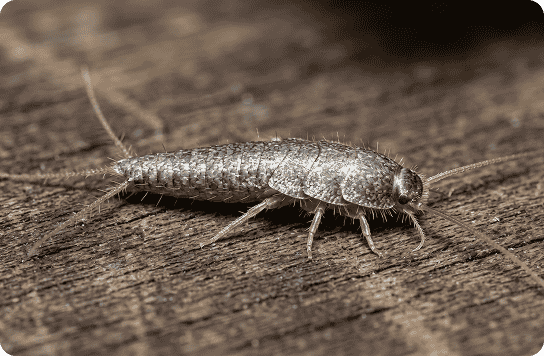
If your home has cockroaches, bed bugs, ants, or mice, the treatment style matters more than the pest name alone. Ask whether the plan uses spot application, wall void treatment, baits, or a broader indoor service. That will tell you whether you can remain in the property or should plan to leave.
How Pest Control in Scarborough Homes
Scarborough has a broad range of housing, and that influences both access and treatment planning. In a detached home, a professional may have better access to basements, attics, garages, and exterior entry points. That can make it simpler to isolate the treatment area and limit disturbance. In many townhouse communities, shared walls and narrow layouts can mean more coordination, especially if pests spread between units.
In condos, the process is often more coordinated. Condo rules may require notice to management, elevator scheduling, and permission for technician entry. Shared hallways, neighboring units, and ventilation systems can all affect how a treatment is performed. Residents may need to keep corridors clear, provide access codes, or follow building-specific instructions before a service can begin.
High-rise and multi-unit buildings in eastern Toronto and across Durham Region often see increased pressure from pests moving through shared spaces. Bed bugs are a frequent example in multi-unit settings because they can spread through adjacent units and common areas. That means a treatment may involve more than one apartment, plus follow-up monitoring and inspections. In these situations, the decision to leave the house may be tied to building access rather than the chemicals alone.
A qualified licensed exterminator will account for these differences and describe what to expect in your specific type of property. If you live in a condo, ask about notices, stairwell access, elevator timing, and whether neighbors need to be informed. If you live in a townhouse or detached home, ask whether children, pets, or sensitive family members should be out of the space during the visit.
What to Do Before the Technician Arrives
Good pre-treatment preparation keeps the visit safer and more efficient. Before treatment, free the areas the technician needs to access and store items that could disrupt the process. This includes food, dishes, toys, linens, and clutter that block baseboards, wall edges, or cabinet spaces.
Food storage is especially important. Place open food in sealed containers or remove it from the treatment area as instructed. Secure pet food and water dishes, and ask where any loose kitchen items should go. If the service is targeting cockroaches or ants, the kitchen and pantry may need special preparation because these pests are often linked to food sources and moisture.
Pet safety should be handled before the technician arrives. Move pets out of the home if the product label or technician guidance says so, or place them in a separate untreated area only if that is clearly approved. Cats, dogs, birds, and small animals may all have different sensitivity levels, so don’t assume one rule fits every pet.
Also put away personal belongings that might absorb spray, dust, or odor. This includes clothes on the floor, electronics near treatment zones, children’s items, and bedding if the service involves bedrooms or upholstered furniture. The more organized the before treatment setup, the easier it is for the technician to work quickly and minimize your exposure risk.
How Long You Might Need to Stay Out
The correct re-entry time is determined by the treatment used, the product, and the post-service conditions after service. Some treatments require only a short wait until the area is dry and ventilated. Others need more time for airborne particles to settle, surfaces to clear, or odors to dissipate. Your technician should give exact technician instructions based on the job.
Always review the pesticide label or product documentation if it is shared with you. That label determines how long people and pets must stay away, whether windows should be opened, and whether there are special directions for clothing, bedding, or food contact surfaces. If the label says to keep out for a certain period, do not shorten it.
In some cases, a technician may recommend leaving for part of the day but not overnight. In others, especially with fumigation or intensive heat treatment, the wait may be much longer. If there is any uncertainty, it is better to wait until the area has been fully cleared and you receive direct approval that it is safe to return.
Fresh air circulation also matters after the treatment. Opening windows, running fans, and allowing fresh air into the treatment area can reduce lingering odor and help with drying. Still, ventilation should be done only as instructed, because some products work best when left undisturbed for a set period.
Important Care Precautions for Kids, Pets, and Seniors
Households with children need special focus because kids are more likely to touch floors, baseboards, toys, and treated surfaces. For that reason, child safety should regularly be part of the service plan. If the treatment involves sprays, baits, or dusts, leave children clear from the area until the technician says it is clear. If bedtime will happen before the treated area is fully ventilated, consider staying elsewhere for the night.
Pets also need a different plan. Even a pet-friendly method can become unsafe if animals contact treated surfaces, step on wet product, or access bait placements. Litter boxes, cages, aquariums, and feeding dishes may need to be moved or covered. Always ask about species-specific instructions, especially if you have birds, rabbits, or reptiles.
Elderly residents may need extra support because they can be more affected by strong smells, dust, or short-term disruption to mobility and routine. If someone in the home has asthma, COPD, migraines, or other medical sensitivities, mention that before treatment starts. A reputable professional will adapt the plan, suggest safer alternatives when possible, and provide clear allergy precautions.
These considerations matter even more in smaller homes or shared spaces where it’s harder to avoid the treatment area. When in doubt, ask for a plan that protects family safety without delaying pest elimination. A well-planned service can often balance effectiveness and comfort.
After Treatment: Post-Treatment Care and Returning Safely
Once treatment is complete, comply with the provider’s after treatment instructions closely. Some jobs require very little cleanup, while others need a more detailed post-treatment cleanup. If baiting was installed, don’t remove placements unless instructed. If a residual product was placed, avoid wiping it away too soon because that can lower effectiveness.
Residual treatment is designed to keep working after the technician departs. That means some visible product may remain on baseboards, cracks, or hidden surfaces. Avoid scrubbing those areas until the technician tells you it is okay. Instead, focus on the areas they identified as safe to clean and the ones that need to stay untouched for monitoring.
Monitoring is part of good pest management. You may be asked to watch for live pests, droppings, bite marks, or activity near entry points. A follow-up inspection may be scheduled to confirm the infestation is under control and to decide whether another round of treatment is needed. This is especially common with bed bugs and mice, where one visit often isn’t enough.
For long-term results, keep using the sanitation and exclusion steps recommended during the original service. Seal food, reduce clutter, repair gaps, and maintain clean storage areas. That approach supports infestation control and helps prevent another problem from developing after the initial service.
Mosquito Man Scarborough1225 Kennedy Rd, Scarborough, ON M1P 4Y1, Canada
+1 647-243-7241
https://maps.app.goo.gl/8SuLx1MkkqVJFc2m9 https://mosquitoman.ca/pest-control/scarborough/
43.7561897, -79.2751574
Scarborough-Specific Pest Problems That Often Need Home Treatment
Scarborough homes face a few common pest pressures that often require indoor treatment rather than simple outdoor prevention. Ants are frequent during warmer months, especially around kitchens, patios, and foundation entry points. In some cases, ants can be managed with targeted baiting and perimeter work that may let residents stay home with minimal disruption.
Cockroaches are one more frequent issue in units, apartment complexes, and aging buildings. They usually call for a blend of baits, crevice treatment, sanitation advice, and follow-up monitoring. Because they can hide in cooking spaces, washrooms, and service areas, treatment may require temporary access restrictions in parts of the home.
Bed bugs are a major concern in multi-unit buildings across Scarborough and the Toronto-East corridor. They may call for heat-based treatment, thorough inspection, and coordinated work with building management. Because of how they travel and remain hidden in furnishings, bed supports, and baseboards, residents may need to clear the unit for a short period depending on the method used.
Mice are a frequent problem in aging detached homes and some row houses. They often enter through cracks near foundations, service lines, and garage spaces. Treatment usually combines baiting, trapping, and rodent proofing. You may not need to leave the home for all of this, but accessing lower levels or utility storage rooms may still require moving out of certain spaces temporarily.
Across Scarborough, ON and the broader Durham Region, these problems are best managed with a community-based approach that matches the building type, seasonal pressure, and pest behavior. That’s why a one-size-fits-all answer rarely fits.
When to Ask for a Custom Treatment Plan
You should ask for a custom plan if anyone in the home has allergy concerns, if your property is a multi-unit building, or if the infestation is severe. A tailored plan can limit unnecessary disruption and help you know whether you need to leave, for how long, and what precautions apply.
Custom planning is also wise if the company needs commercial-grade equipment for heat, fumigation, or large-scale remediation. Not every company relies on the same approach, and not every building can be treated the same way. A licensed exterminator should describe the benefits, risks, and timeline before any work starts.
If you live in a condo, find out how the service will comply with condo rules, whether building management must be notified, and how hallway or elevator access will be handled. In a townhouse or detached home, check if one floor can stay occupied while another is treated. These details can determine whether you need full temporary relocation or simply a short outing during the treatment window.
The best outcome usually comes from combining professional advice with practical planning. A well-run professional pest service will outline the application method, expected re-entry time, and any steps to reduce chemical exposure. That provides you with a clearer path to protect your home without causing unnecessary disruption.
Frequently Asked Questions
Do I have to leave my home during pest control in Scarborough?
Not necessarily. Whether you need to leave the house depends on the treatment type, the pest being treated, and the instructions from your licensed exterminator. Many forms of residential pest control, such as baiting or limited spot treatments, may let you stay home. More intensive services like fumigation or some heat treatment jobs usually require you to leave.
How long should I stay out after pest control treatment?
Your re-entry time depends on the product used, the room conditions, and the technician’s guidance. Some treatments are ready once the area is dry and ventilated, while others require several hours or longer. Always check the pesticide label and technician instructions before returning. If you are unsure, wait until you are told it is safe to return.
Can I stay home if the pest control company uses sprays or baits?
In many cases, yes, but it depends on the spray treatment and whether a bait station is being used. Sprays may require you to avoid treated rooms until they dry and the area is ventilated. Baits are usually lower https://caledon-onhm265.hexaforgey.com/posts/how-what-does-pest-control-in-scarborough-cost-in-2026-in-2026 disruption, though you still need to keep children and pets away from them. Ask about the exact application method so you can judge the exposure risk.
What should I do during pest control?
Plan for strong pet protection and children's safety measures before treatment starts. Take pets out of the home if needed, or keep them in a clearly approved untreated area. Keep toys, bowls, and bedding away from the treated area. For kids, avoid all treated surfaces until the technician says it is okay. If anyone in the home has medical concerns or allergy precautions to consider, mention that in advance.
Is pest control safe for condos and apartments in Scarborough?
Yes, when it is planned properly and building-specific rules are followed. In condos, building rules, shared hallways, elevator access, and notice requirements can affect timing. Multi-unit buildings in Scarborough often need coordination with management, especially for bedbug issues or cockroach problems. A qualified provider will use integrated pest management, explain ventilation and re-entry time, and help ensure the service is safe for residents.